
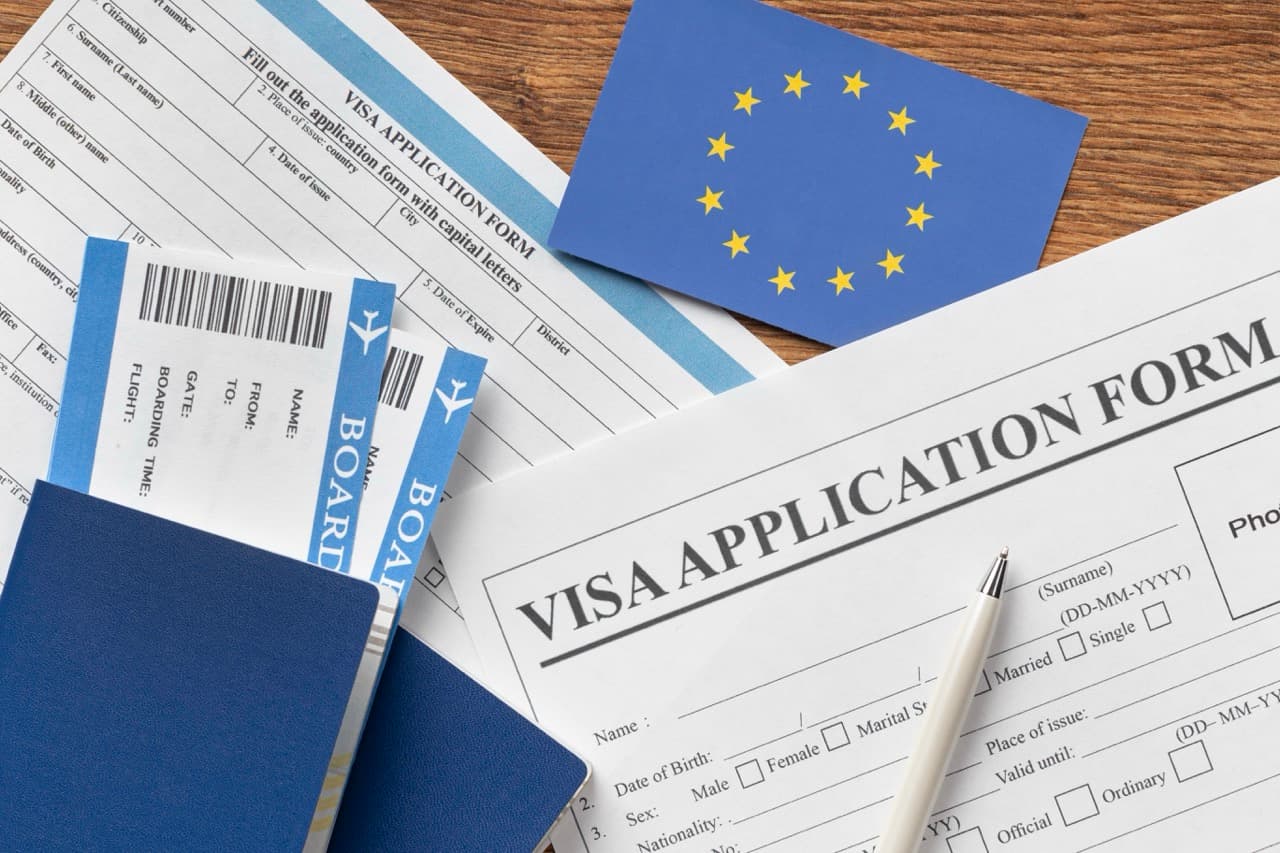
If you're planning to study in Europe, understanding the visa process is one of the most important steps before your journey begins. The rules differ depending on where you're from, where you want to study, and how long your program lasts. This guide breaks it all down clearly.
Who Needs a Visa?
EU, EEA and Swiss citizens don't need a visa to study in any European Union country and can travel freely between them. However, if you hold a passport from outside the EU/EEA, a student visa is required before you arrive. If you are not a citizen of any of the 29 Schengen Area countries – which includes 25 EU members like France, Germany, Spain and Italy, plus 4 non-EU members like Norway and Switzerland – you must apply for a student visa before arriving in Europe.
Two Types of Student Visa
The visa you need depends on how long your program lasts.
Short-Stay Visa (Type C – Schengen Visa) For programs up to 90 days within any 180-day period. This covers short courses, summer schools, exchange programs and workshops. It allows you to travel freely across all Schengen countries during its validity.
Long-Stay Visa (Type D – National Visa) For degree programs and courses longer than 90 days. This is issued by the embassy of the specific country where your university is located. In most cases a residence permit must also be obtained after arrival in the host country. The Type D visa often serves as a combined entry visa and residence permit.
Documents You'll Typically Need
Requirements vary by country, but most embassies ask for the following:
University admission letter confirming your enrollment. Valid passport (at least 6 months beyond your intended stay). Proof of financial means (bank statements or sponsorship letter). Health insurance with a minimum coverage of €30,000. Proof of accommodation in the destination country. Passport-sized biometric photos. Completed visa application form. Visa application fee payment receipt.
Some countries may additionally request a language proficiency certificate, a CV or a motivation letter.
Important: ETIAS from 2025
From 2025, even students from visa-free countries need an ETIAS (European Travel Information and Authorisation System) for stays under 90 days. ETIAS is a quick online pre-travel authorisation – not a visa – but it is mandatory before boarding your flight. Always apply through the official ETIAS website only.
How Early Should You Apply?
Start early – at least 2 to 3 months in advance. Embassy appointments can be hard to get, and processing times vary. A visa delay can put your entire enrollment at risk. Most European universities also require visa confirmation before finalising your admission, so treat this as your first priority once you receive your acceptance letter.
Post-Study Options
Finishing your degree doesn't mean you have to leave straight away. Several EU countries offer dedicated post-study pathways. Germany provides an 18-month job seeker visa that allows you to stay and look for work after graduation. The Netherlands offers the Orientation Year (zoekjaar) visa for a similar purpose. Other countries have comparable schemes – check the specific rules of your host country well before your studies end.
Country-Specific Rules
While the Schengen framework provides a common foundation, every EU country has its own national visa process, fees, processing times and additional requirements. Always verify the exact requirements with the official embassy or consulate of your destination country. Your university's International Office is also a reliable first point of contact.
Quick Checklist Before You Apply
Admission letter in hand. Passport valid for the full duration of your stay. Bank statements showing sufficient funds. Health insurance arranged. Accommodation confirmed. Embassy appointment booked at least 2–3 months before your start date. ETIAS application completed (if applicable).